
Content Mangement Systems don’t make sense anymore
I’ve been thinking about this a lot lately because I believe we are at one of the biggest turning points the web industry has seen since content management systems first became mainstream.
For the last twenty years, the typical website process has looked fairly similar. We design in Figma, build in WordPress or Webflow, install plugins or integrations, connect databases, set up forms and email systems, and then spend the rest of the site’s life maintaining software updates, security patches and hosting infrastructure.
Over the last few months, I have been experimenting with tools like Claude Design and UX Pilot. The results have been pretty nuts. 🥜
What used to require a designer creating wireframes and high fidelity mockups can now be achieved with a rough sketch, a handful of screenshots for inspiration and a few well-written prompts. Entire user journeys, design systems and mobile experiences can be created in minutes.
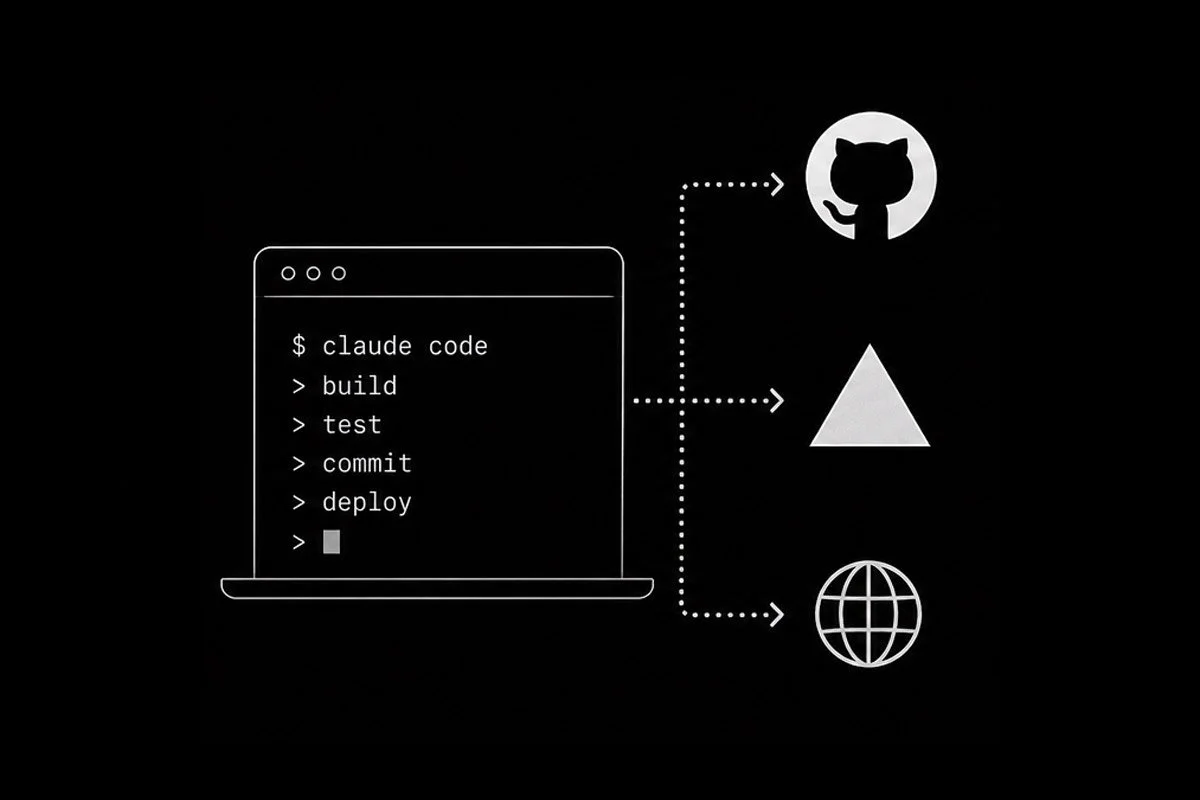
Those designs can then be handed directly to Claude Code or Codex, which can build the application, commit the code to GitHub, and deploy automatically to Netlify or Vercel. A single person can now do much of the process that traditionally required multiple people and multiple tools with the right prompts and a good understanding of what they are trying to achieve.
Services such as Supabase provide entreprise level scalable relationship databases with authentication and storage built in. Email providers such as Resend make transactional email setup super easy. Rather than assembling a complicated stack of plugins and third party services, developers are increasingly working with simple, composable tools that do one thing very well.
This is one of the reasons I believe the traditional CMS may slowly disappear. I don’t think clients will be logging into bloated administration systems for much longer. I can easily imagine a future where content updates happen through conversation.
“Add a new case study.”
“Update our team page.”
“Create a landing page for this campaign.”
The AI makes the change, updates the code, tests it and deploys it. The website itself becomes a collection of static HTML, CSS and JavaScript files that are fast, portable and secure.
Some of the problems with existing platforms have helped accelerate this change.
Take WordPress as an example. GRZZ has built a large number of WordPress websites and I still think it is an excellent platform in many situations. But there have always been frustrations with the open source ecosystem. Features that many people consider basic, such as duplicating posts or pages, are often left to plugins. Sometimes there are good technical reasons for this, but often there are commercial incentives within the ecosystem that encourage favouritism, or complexity rather than simplicity.
AI seems to be pushing in the opposite direction. It doesn’t care about preserving ecosystems or plugin marketplaces. Its incentive is to remove friction, automate repetitive tasks and reduce complexity wherever possible.
I don’t think designers disappear. I don’t think developers disappear. And I certainly don’t think agencies disappear. But I do think our role will change considerably. Less time building interfaces, less/zero development time, Less time maintaining plugins and systems.
More time understanding problems, shaping ideas and directing increasingly capable tools.
The web industry (along with most industries) is going to look very different within the next five years.